
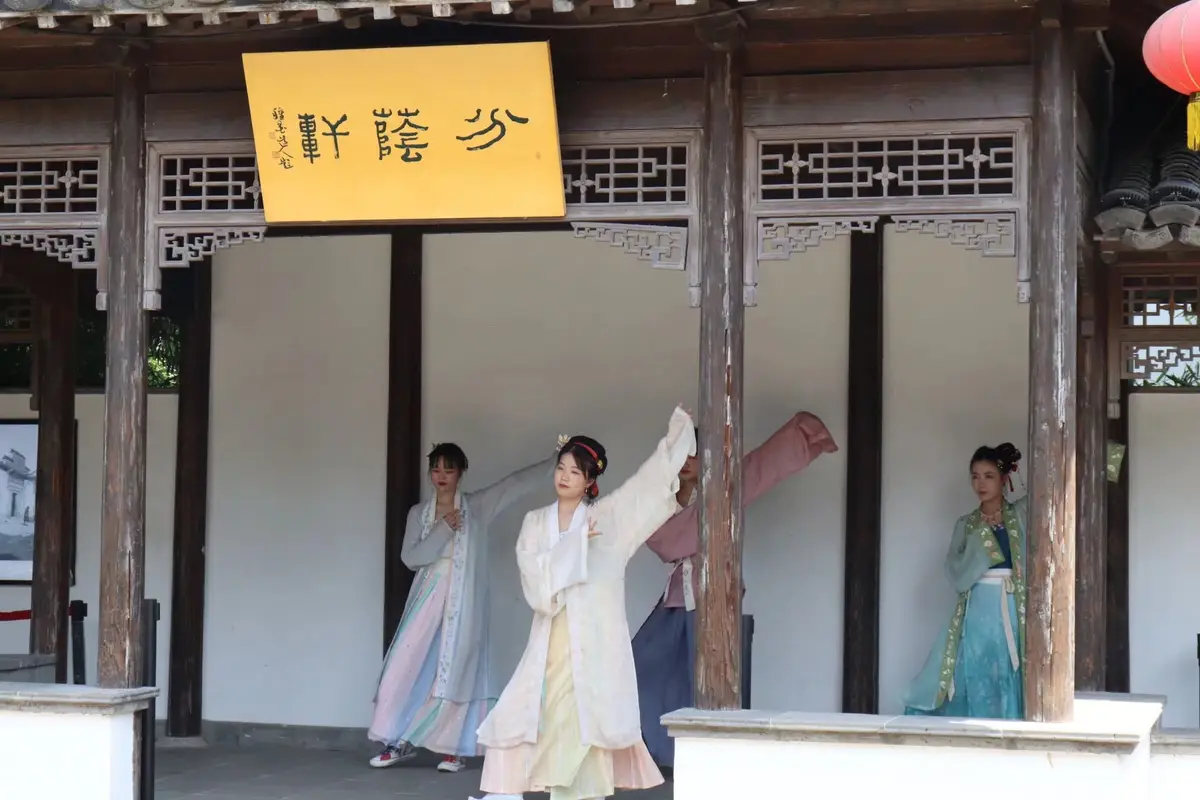
Hanfu offers a way to explore Chinese culture through clothing. Rather than focusing only on flowing robes, look at the garment’s shape, fabric and decoration, and how these details relate to the context in which it is worn.
Chat is taking longer than usual to open. You can also reach us on WhatsApp or by email.
WhatsApp +852 6342 5622customerservice@ascendiatour.comLooking at the design
Crossed collars, broad sleeves and loose robes are features to notice in the styles discussed here, rather than a checklist for every hanfu garment. The term jiaoling youren describes a crossed collar with the left front overlapping the right, creating a Y-shaped neckline.
When viewing historical clothing in a museum, use the exhibit labels to establish its date, material and construction. For garments from the Mawangdui Han tombs, consult the museum’s own descriptions rather than relying on comparisons with modern fabrics.
Clothing in literature
Read clothing descriptions in literature in their context. Notice how dress relates to status, occasion and season, rather than treating one passage as a guide to every period of Chinese clothing.
Looking at hanfu today
When viewing contemporary hanfu photographs or displays, distinguish the garment from the way it has been styled. Look closely at the collar, sleeves, layers and accessories. If you want to understand a claimed historical connection, check the accompanying explanation or ask the exhibition organiser what sources it uses.